Houseparty is owned by the makers of Fortnite, Epic Games. The developers claim there is no evidence to suggest that the platform has been hacked and its data stolen.
HIGHLIGHTS
Houseparty is owned by Epic Games, the developers of popular game Fortnite
Several users claim the app has been hacked
Houseparty is fun video conferencing application
Epic Games owned Houseparty has become a rage in the last few weeks, with the app notching up millions of new subscribers every day. In fact, the Covid-19 outbreak has turned out to be such a lucky break for its developers that the global lockdown has seen the fun video conferencing platform climb the ladder and become one of the most downloaded apps on both Google Play and App Store in the last few days.
Yet, it appears this impressive run could be cut short with several users now uninstalling the app and also removing their accounts from the platform over fears of a data breach that could have exposed their passwords to hackers and left not only their social media handles affected, but also their banking accounts too.
The situations has gotten so bad in the last 24 hours that the complaints have reached viral number, with users across twitter sharing concerning details about how their Spotify, Netflix, and other accounts, including Paypal and banking ones, were hacked after installing Houseparty.
Interestingly, all these complaints appear to have been made without any evidence, with users simply going online and blaming the app for their accounts being hacked without first establishing any sort of correlation.
All Houseparty accounts are safe – the service is secure, has never been compromised, and doesn’t collect passwords for other sites.
The company too has clarified its stance on the matter and has suggested there is no link between the instances of compromised accounts and the platform.
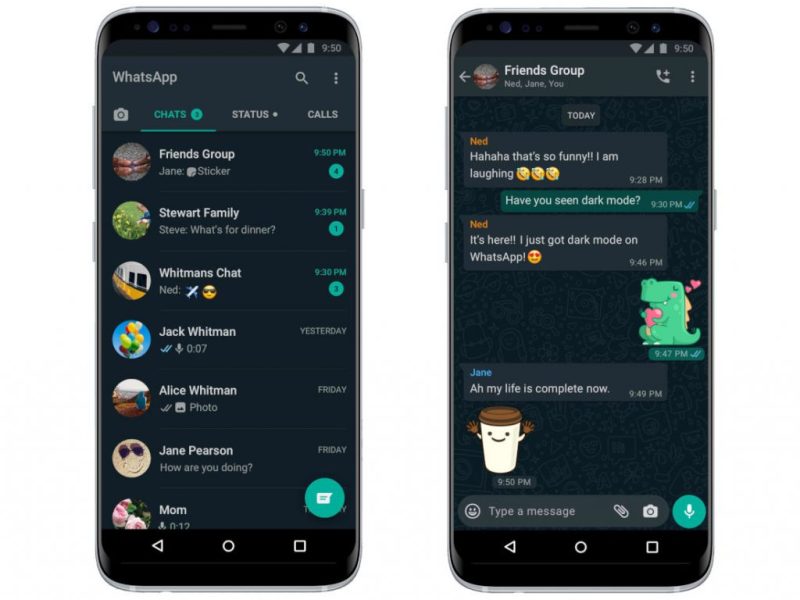
According to new reports, it seems that attackers may use ‘social hacking’ to gain access to a user’s WhatsApp account.
HIGHLIGHTS
Attackers may be using ‘social hacking’ to hack into WhatsApp accounts
This technique sees attackers using pre-hacked accounts to get in touch with a victim and masquerade as a friend or family
They would then trick the victim into sharing their WhatsApp verification code with them
During these lockdown times, while eveeyone is spending so much time at home working and entertaining that several video calling apps surfaced including new and already existing ones. But so has it opened gates for the hackers who are working like hawks to intrude into those apps via loopholes.
WhatsAppp is arguably the most popular instant messaging platform in the world right now. So obviously, it makes a pretty juicy target for hackers.
Social hacking works by using an already hacked account to gain the trust of a target by masquerading as their friend or family member. In this case, reports suggest that attackers are using pre-hacked Facebook or Instagram accounts to get in touch with any connected accounts. They then pretend to be having problems logging into their accounts and later try and trick the victim into sharing their WhatsApp security verification code. This technique would then give the attacker access to the victims WhatsApp, and then the cycle of social hacking could then begin anew with the victim’s contacts.
The best way to stay safe from such hackers is to never share any verification codes or any other personal information with anyone online, regardless of how close you may be with the individual. Further, ensure that you have enabled two-step verification for all possible accounts, not only WhatsApp. You should also add an email address in case you would need to retrieve your account. Further, if your WhatsApp account has been compromised, then there are ways you can retrieve it. In fact, WhatsApp has also detailed the same on a separate help page that you can check out here.
WhatsApp isn’t the only platform that is allegedly under attack from hackers. Recent reports suggest that the Houseparty app was said to be leaking data to attackers. As per reports, many users claimed that they were getting emails about someone trying to access their accounts after they had installed the app.
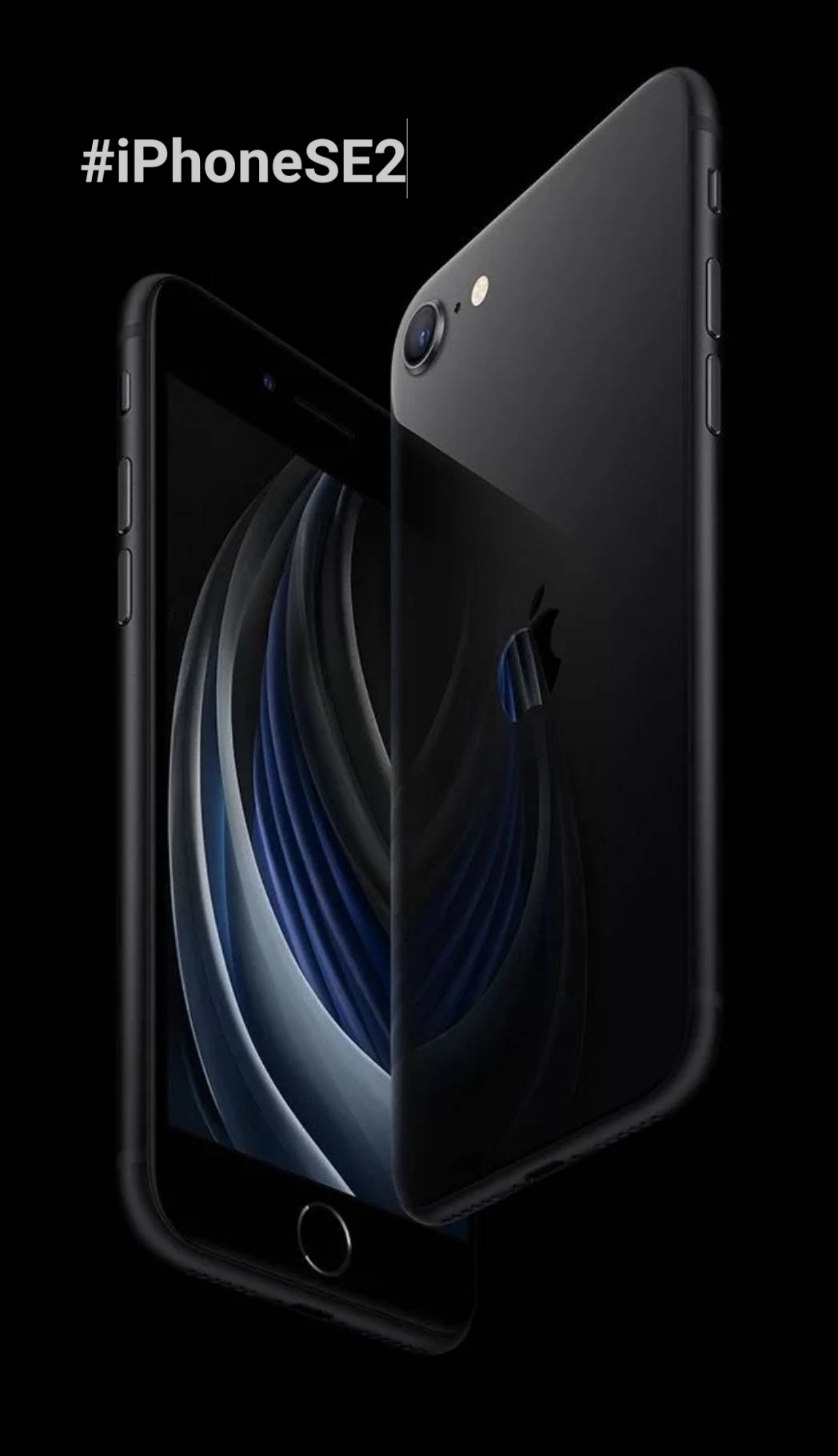
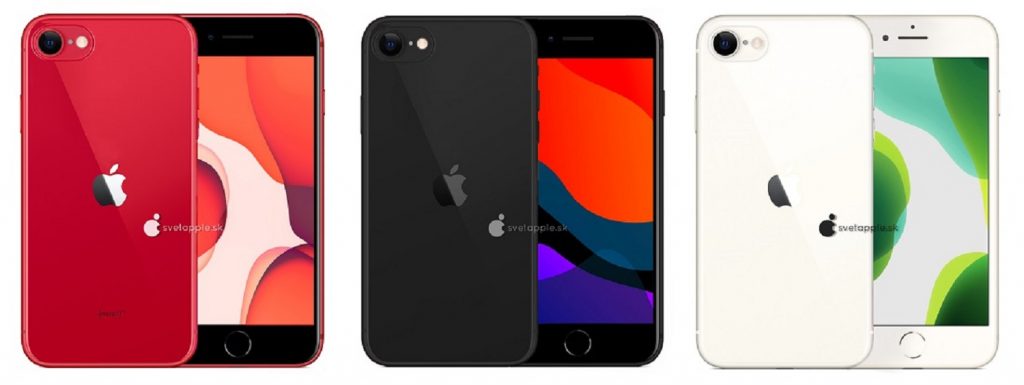
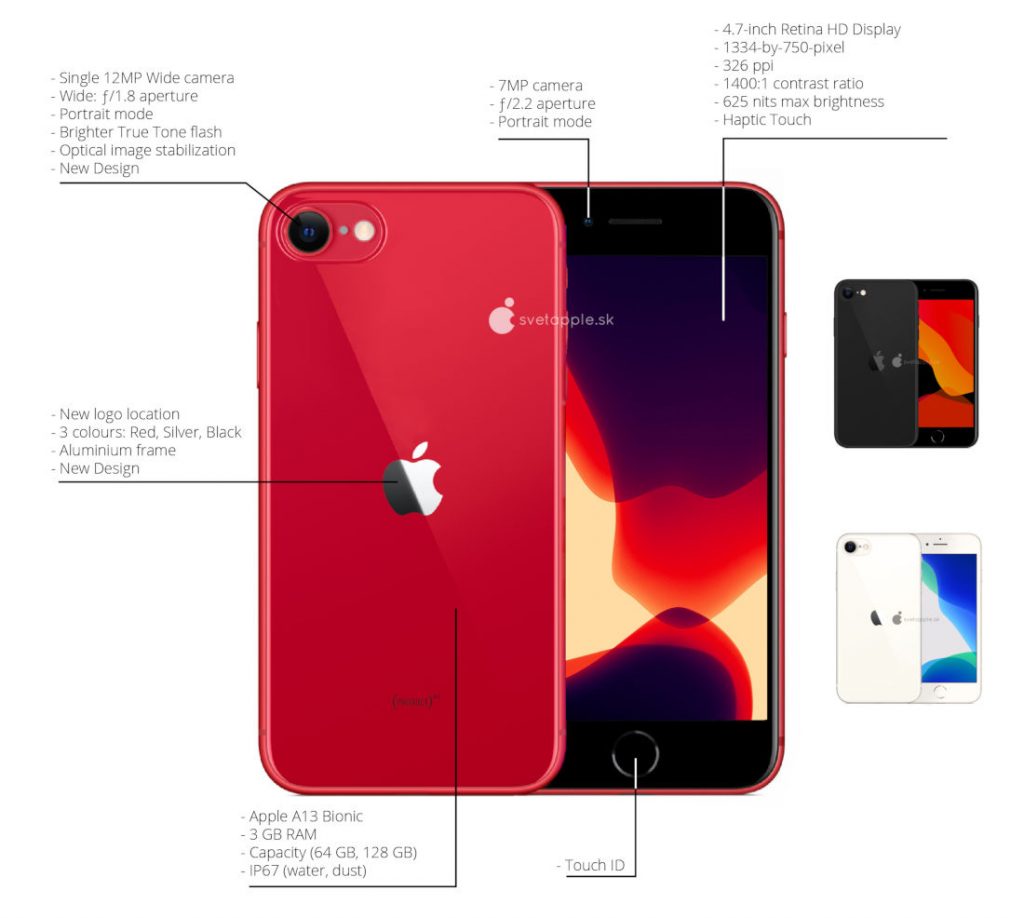
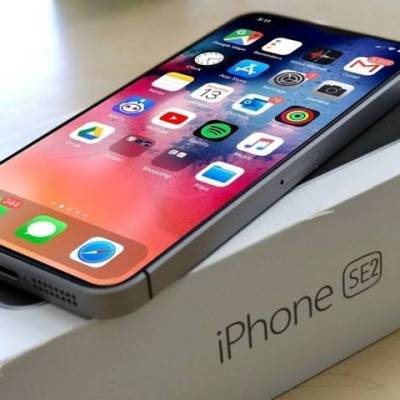
Apple has been working on a low-cost iPhone, which could be named iPhone SE 2 or iPhone 9, and will serve as the successor to the iPhone SE launched back in 2017.
Apple launched the compact iPhone SE back in 2016 with iPhone 5s-like design and while Apple shifted the design language starting with iPhone X, a lot of users have been waiting for a refresh to the iPhone SE. Multiple renders and rumors surfaced on the iPhone 9 / iPhone SE 2 recently and now a new report suggests that Apple could finally announce the iPhone 9/ iPhone SE 2 on April 15th, 2020.
The smartphone is said to go official before its WWDC 2020 event. While the phone was expected to launch at an event on 31st March but that event was reportedly cancelled amid the on-going coronavirus and issues related to that.
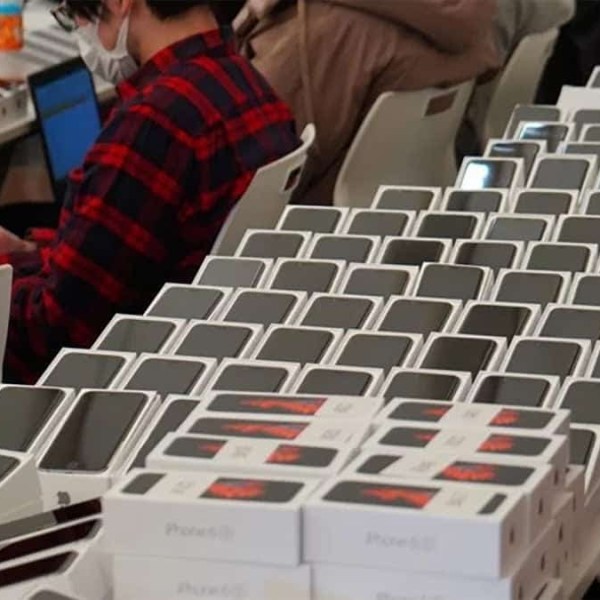
According to an internal meeting by Apple yesterday, the company is said to be preparing for the announcement of the iPhone 9 on April 15th, 2020 and the shipments could start on April 22nd, 2020. Previous rumors suggested that Apple could announce the iPhone 9 / iPhone SE 2 at an event on March 31st, but it did not happen.
Furthermore, the company is said to train a select few retail employees who are working remotely to offer technical and sales support to users and is reportedly sending iMacs to them.
Another report confirms the development that Apple is asking select retail employees who are working remotely to offer sales and technical support to users.
The renders of the iPhone SE 2 / iPhone 9 surfaced earlier suggest that the SE 2 is said to sport an LCD screen and this time around, the 3D touch is not said to make a return. It is said to measure 138.5 x 67.4 x 7.8 mm in size and 8.6mm including the rear camera bump, and just to compare, iPhone 8 measures 138.4 x 67.3 x 7.3 mm in size. While the form factor of the iPhone SE 2 is said to be similar to the iPhone 8, SE 2 is said to sport a frosted glass back instead of a glossy back that was present on the iPhone 8 but will be powered by the A13 chipset — the same SoC that powers the iPhone 11 series.
As per the reports, the pricing for this upcoming iPhone could start at just $399. However, to know for sure what the device packs and how much it will cost, we’ll have to wait for a couple of weeks more for the the official launch announcement to take place.
Due to the ongoing COVID-19 crisis, the announcement of the iPhone 9 could be further delayed as well. We should know more information in the coming days.
As a result of Coronavirus while social distancing is happening and in fear of Coronavirus Effect most people are working from home being lockeDown and using social apps to avoid boredom and remain in communication.
HIGHLIGHTS
We compiled a list of free group video calling apps that you can use to dial in and have a small party right on your phone’s screen.
These include apps like Zoom, Google Duo, Instagram and more.
You no longer have to stay bored at home with these video calling apps.
Bored during the lockdown? While the coronavirus-induced nation-wide lockdown is like a dream for introverts, the social butterflies may find it difficult not seeing the regular faces to talk to. Sure, your organisation has ramped up its infrastructure to support group video calls with its employees, but what about when you have to get together with your friends sitting at your home? We compiled a list of free group video calling apps that you can use to dial in and have a small party right on your phone’s screen. Here they are —
ZOOM
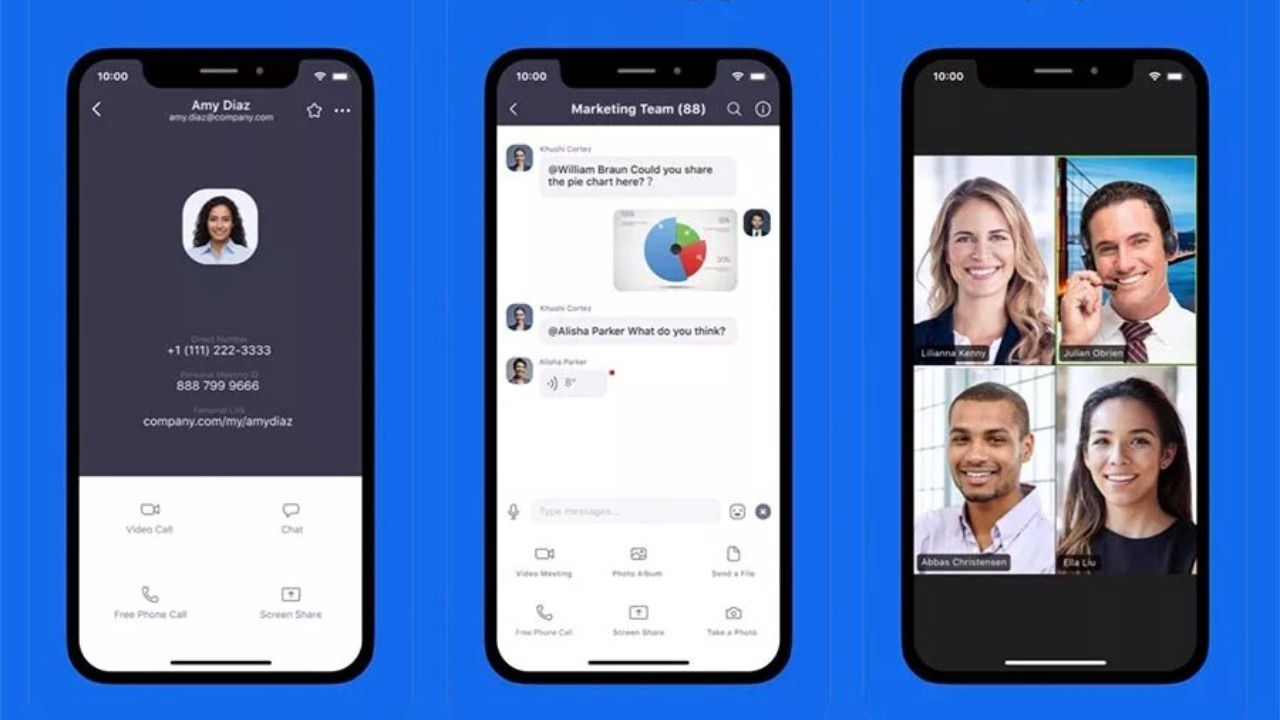
Zoom has emerged as the undisputed champion among video calling apps during the lockdown. It has already surpassed TikTok and Instagram to become the most downloaded app in India with many organisations, colleges and schools relying on the app for business. You can also use it for your personal calls. 40 minutes chats on the app are free, post which you have to pay with plans starting from $14.99.
The USP of the app is the number of people it can support. A Zoom session can support up to a 100 people and the app’s algorithm ensures smooth connectivity and clean audio.
This app from Google started with two-way video calling but soon expanded to support up to 8 people in a chat. And recently Google announced it will support up to 12 people to let you stay connected with a lot more people. Duo is probably the easiest app to use for video-calling. There’s no hassle of typing in a username and getting it verified. All you need is a phone number.
The USP of Google Duo is in its simplicity. It may not support a lot of people in a chat, but it’s free and is available across all platforms including iOS and Android. Our favourite feature of the app is its ability to show what the person who is calling you is doing even before you pick up the call.
Your favourite social media platform also supports video calling. It’s built into the DM section which is good for a quick call. It also supports up to six people in a group call and the quality is surprisingly good.
The USP is its availability. By now, most of your friends will have an Instagram account, so initiating a session shouldn’t require a lot of setup.
Ever since WhatsApp added video calling, and especially with the proliferation of 4G data, video calling itself have taken off like anything in the country. And that’s simply because WhatsApp is the most used messaging app in India. You can take up to four people in a session with average video and audio quality.
The USP is of course the wider availability. Anyone with a smartphone can join in and it doesn’t need extra steps to set up.
Facebook Messenger has had video calling support for quite some time now. And with each update, the app has added more and more features to make it more interactive and fun. Surprisingly though, it’s usage has been limited to few users with many still choosing to go with Instagram and WhatsApp. Perhaps it has something to do with how much resources it ends up consuming.
The USP of this are the fun AR filters it supports. You can spend hours trying out fun and creative filters with your friends.
HOUSEPARTY
This fun app has been around for quite some time but it also during quarantine that it has gone viral (too soon?). The app supports eight people in a room and you can drop in and out as you please.
The USP of this app is the way it’s designed to bring out the real you. It acts as a social network but doesn’t let you post a status or anything. Instead you just call up friends you want to chill with and chat or play games together. It’s fun. At least the first few times.
GoI had recently declared increase in GST by 6% on smartphones and the same has come into effect as of April 1
HIGHLIGHTS
The Indian government hiked the GST on mobile phones from 12 percent to 18 percent from April 1, 2020.
This, compounded with the supply chain and logistics disruption caused by the nation-wide lockdown has further led to the increase in prices
Fluctuations and depreciation of currency value are also being blamed for this.
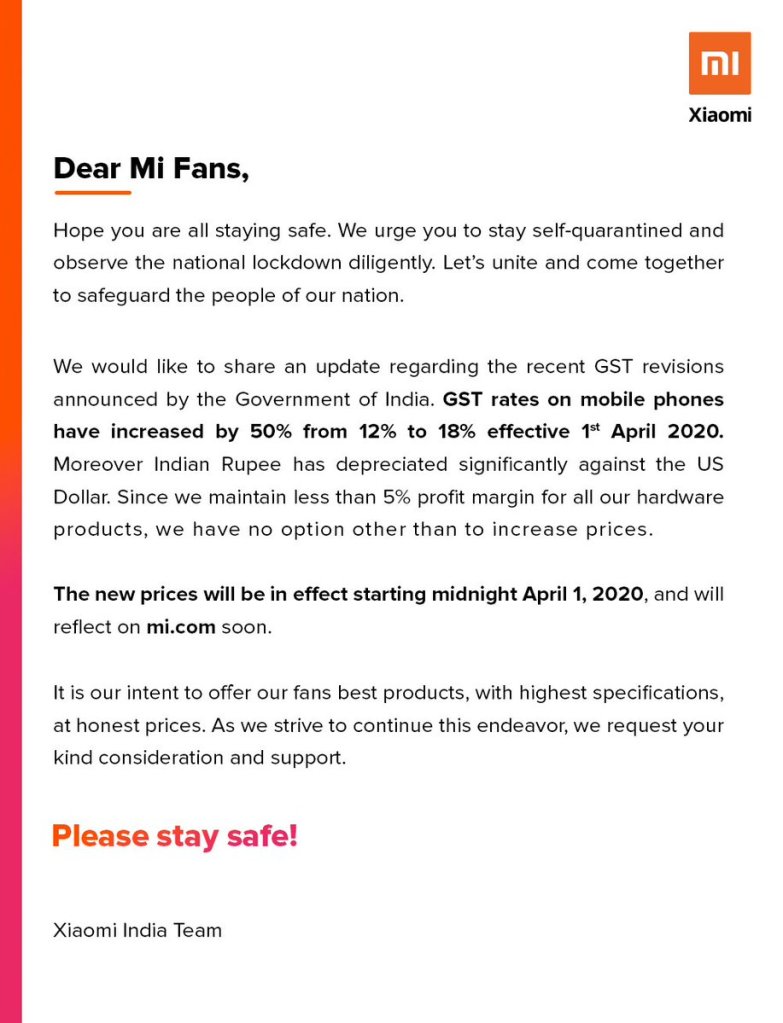
Last month, the GST Council in its 39th meeting increased GST rates for several products including mobile phones from 12% to 18% applicable from April 1st, 2020 and a while back Apple, Poco announced the new prices. Now, Redmi, OPPO, vivo, realme, Samsung, and iQOO have announced the new prices of their smartphones and here’s a list of smartphones with new prices post-GST Rate Hike.
After Xiaomi’s Manu Kumar Jain announced the hike in prices from April 1st, Poco India General Manager C. Manmohan also chimed in with a hike in the prices for the Poco X2. Oppo and Realme also followed suit with announcements explaining why they have to raise prices at a time when the economy is already going to recession.
Mi fans, #GST on mobile phones has increased by 50% from 12% to 18%.
After much deliberation & in keeping with #Xiaomi policy of maintaining <5% margin on our hardware products,we will be increasing prices of our products.
“Today we are announcing that realme smartphones will have to boost the prices up for the first time since 2018. It’s never easy for realme as a new brand to keep providing the latest technologies across different price segments in India. We sincerely hope you will continue to support not only us but also the whole smartphone industry, for more amazing technologies and surprises in the future,” Realme wrote in a statement.
Hi #POCO fans. GST on mobile phones has increased from 12% to 18%. Also with a falling rupee against the US dollar & supply chain issues, it has become extremely difficult to continue with the same pricing. As a result, we are left with no choice but to adjust pricing. pic.twitter.com/mY7TVpsp2f
Oppo too has given in to the hike in GST and according to a Twitter update from a Mumbai-based smartphone retailer, Mahesh Telecom, the company has hiked the market operating price (MOP) of as many as 11 smartphones. Check the list below for the change in prices.
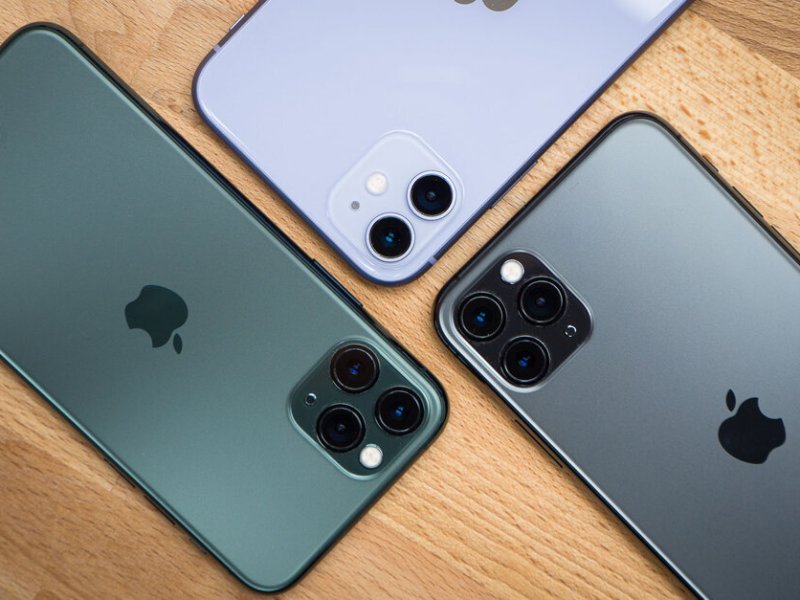
After the hike, the iPhone 11 Pro Max 64GB will start from Rs 1,17,100 up from Rs 1,11,200. Similarly, the iPhone 11 Pro 64GB will be priced at Rs 1,06,000, up from Rs 1,01,200. The iPhone 11 64GB also became more expensive at Rs 68,300, up from Rs 64,900.
Older iPhones including the iPhone XR saw price hiked to Rs 52,500, up from Rs 49,900. Similarly, the iPhone 7 32GB now starts from Rs 31,500, up from Rs 29,900.
Here is the list of change in prices by other smartphone brands:
Xiaomi’s entire launch schedule until September 2020 has been unveiled and there are a lot of exciting phones coming under Mi, Redmi and Poco brands.
HIGHLIGHTS
The entire launch list of Xiaomi phones for 2020 has been leaked.
Xiaomi will launch the Mi A4 series in August.
The Poco F2 and Poco F2 Pro will come out in September 2020.
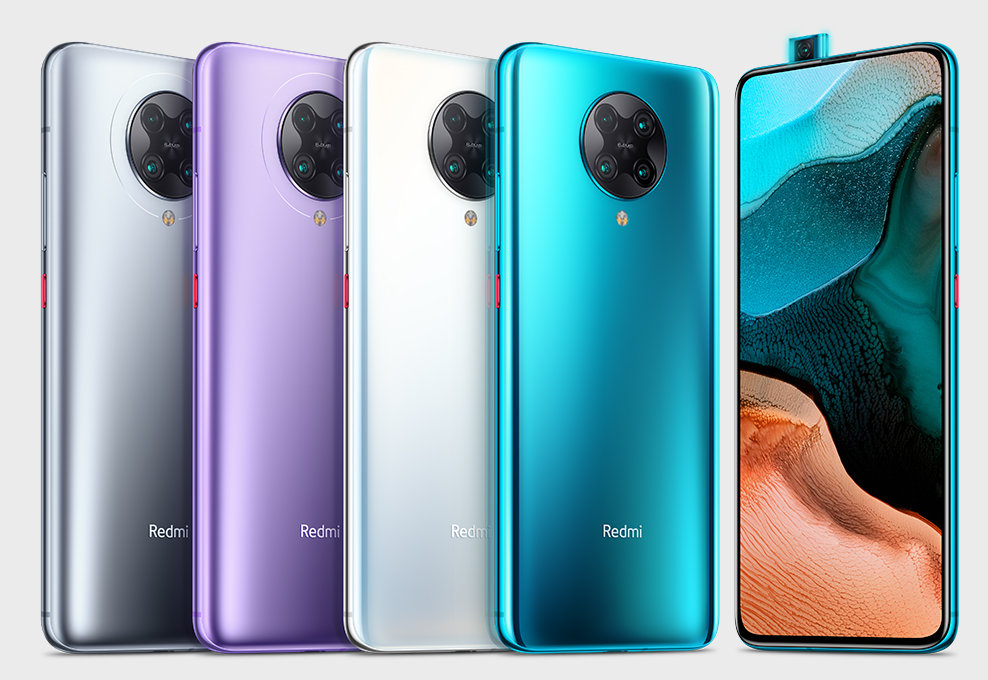
It has only been three months since 2020 began but Xiaomi has already launched multiple phones under different sub-brands. A new Poco phone has emerged and following that, the Redmi Note 9 series, the Mi 10 series and Redmi K30 Pro have come in various markets. However, Xiaomi has lots of plans when it comes to new smartphones this year and thanks to another tipster, the entire launch list for Xiaomi phones has been leaked.
The list includes all the phones we have seen so far from Xiaomi and it lists all those that will be coming soon. Until September, Xiaomi will be launching at least two phones every month and that includes phones across all price points. This includes phones from the Mi series, Redmi series and Poco, including all the markets where these brands operate.
Xiaomi launch schedule leaked listmonth wide
April:
Mi 7 2020: Rumours have been going around a new compact phone from Xiaomi that is said to rival the rumoured iPhone 9. The Mi 7 2020 is said to be that phone that will have premium specifications in a compact body.
MIX Alpha: The MIX Alpha concept phone could finally go on sale in China in April.
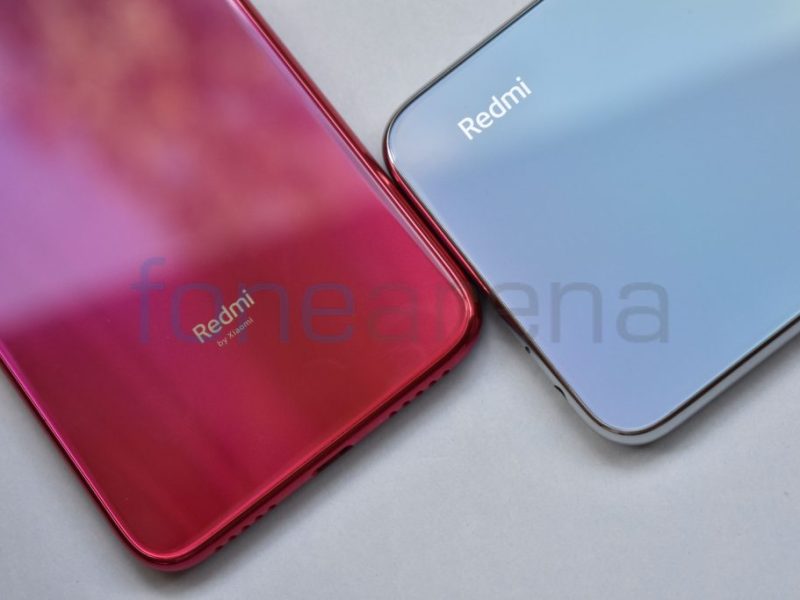
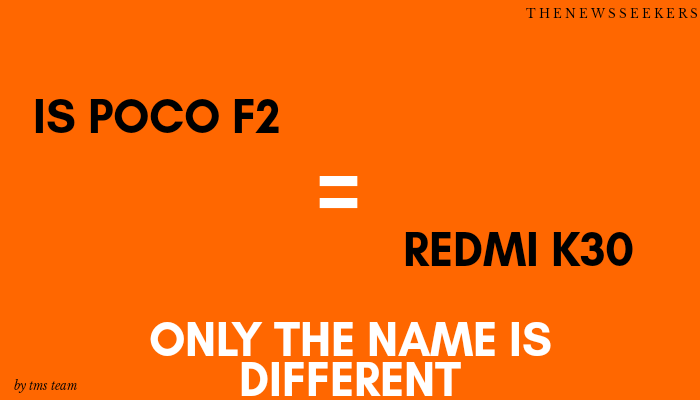
Poco X2 Pro: This could be the Redmi K30 Pro rebranded for the Indian market.
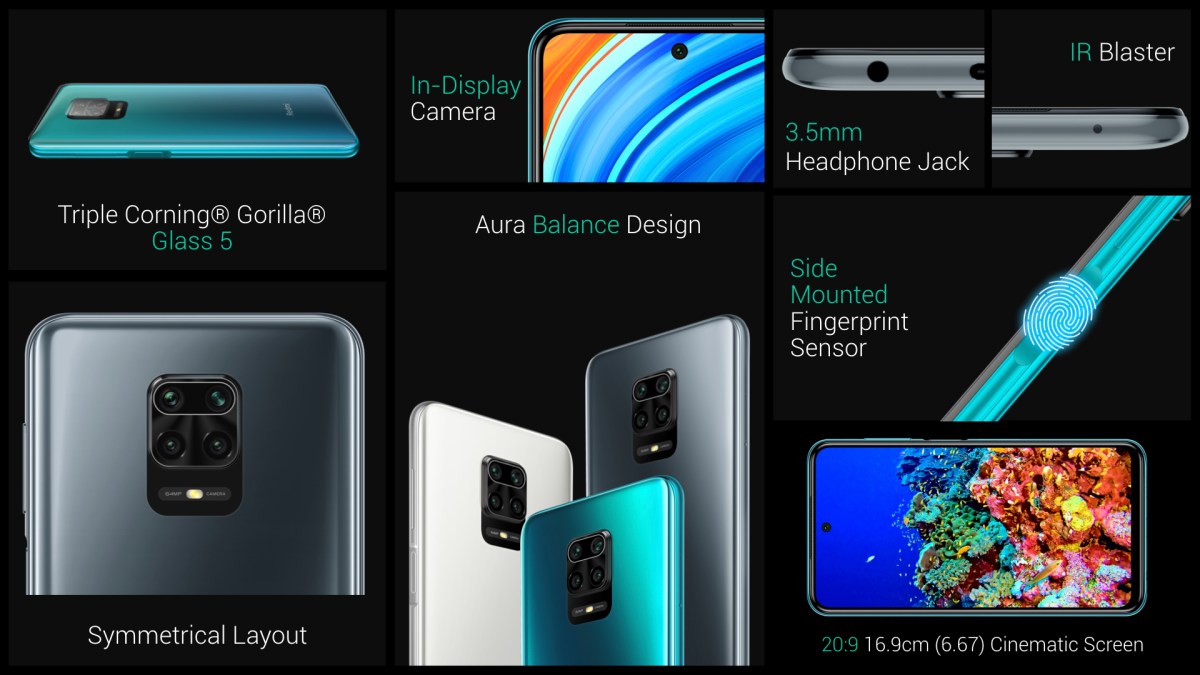
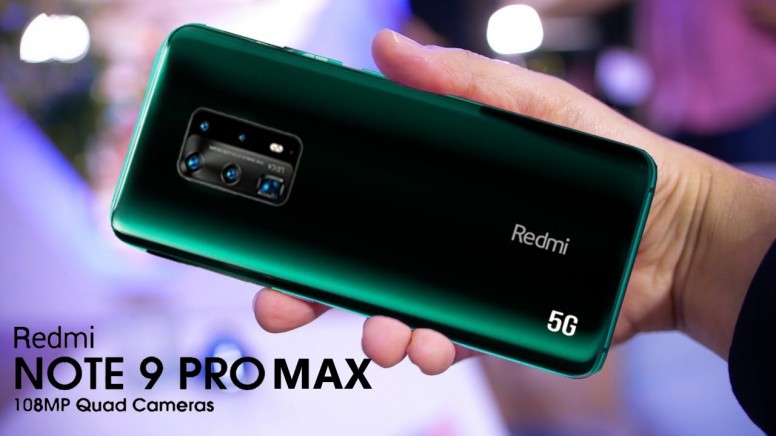
Redmi Note 9: This could be the 5G variant slated to launch in China.
Redmi Note 9S+: This could be the Redmi Note 9 Pro for the European markets.
May:
Mi 10T, Mi 10T Pro: These could be the rebranded Redmi K30 and Redmi K30 Pro for the European markets.
TRAI has asked the OTT and streaming platforms to reduce their streaming quality while the data usage due to home presence has increased manifold.
HIGHLIGHTS
COAI has written to OTT services asking to reduce streaming quality to reduce the burden on the network.
COAI has requested OTT platforms to reduce streaming quality from High Definition (HD) to Standard Definition (SD).
COAI has asked for a period of no advertisements and pop-ups in websites claiming these also add to high bandwidth consumption.
The industry body of Cellular Operators Association of India (COAI) has written to the telecom department and OTT streaming services including Netflix, Hotstar, Amazon Prime Video and others to lower streaming quality in order to reduce the burden on the networks, which is at an all-time high due to people staying and working from home amidst the Covid-19 outbreak.
“We believe that during this critical time, it is absolutely essential for the streaming platforms to cooperate with telecom providers so as to manage the traffic distribution patterns which are likely to strain the network infrastructure at a time when it is needed for various critical requirements,” COAI said in a letter to video streaming companies.
In order to manage the strain on cellular networks, COAI has requested OTT platforms to reduce streaming quality from High Definition (HD) to Standard Definition (SD). COAI has reached out to Amazon Prime Video, YouTube, Hotstar and Netflix.
Advisories have been issued in India asking people to stay at home and not come to work or gather in public places. There’s a surge in work from home, online education, digital payments, online healthcare and other areas which are relying heavily on the internet. In regard to this, Reliance Jio already announcing doubling data limits on its prepaid packs.
This sudden surge in digital use is already putting pressure on the network infrastructure of the Telecom Service Providers (TSPs). The TSPs are taking requisite steps to manage this load and facilitate the smooth functioning of the networks during this critical time,” COAI told ET Telecom.
Furthermore, COAI has asked for a period of no advertisements and pop-ups in websites claiming these also add to high bandwidth consumption, and if required these may be replaced with public announcements or awareness regarding the virus.
COAI has also reached out to the Department of Telecom (DoT) to enforce the directive on streaming apps.
Notably, similar measures have been taken by streaming services like Netflix in the US and Europe as more countries go into lockdown to prevent contagion from the coronavirus.
AMIDST CORONA PANDEMIC TRAI ASKED THE TELCOS IN INDIA TO EXTEND THE VALIDITY OF THE PREPAID PLANS
HIGHLIGHTS
TRAI has asked telcos to ensure uninterrupted voice and data services for all users by increasing prepaid plan validity.
Reliance Jio, Airtel, Vodafone Idea and BSNL have been asked to increase validity to ensure uninterrupted services to subscribers.
TRAI reasoned that because of the lockdown, subscribers who wish to top up their balances or wish to extend their plans may be unable to do so because of disruption in services.
The Telecom Regulatory Authority of India has asked telecom service providers including Reliance Jio, Bharti Airtel, Vodafone Idea and BSNL to extend the validity of prepaid plans amidst the Coronavirus lockdown in India.
TRAI has asked telcos to ensure uninterrupted voice and data services for all users by increasing prepaid plan validity. In a letter dated March 29 to telecom companies, the telecom authority asked companies to take every measure to allow prepaid subscribers to continue enjoying unlimited services during the period of lockdown.
Read More: Vodafone revises Rs. 95 prepaid plan with 56 days validity in selected circles
TRAI has also asked for details from telecom providers on the measures they are taking to ensure service availability to customers on priority. More than 90 per cent of all subscribers in India use prepaid services. There are over 800 million active prepaid users.
“Though the telecommunication services have been considered as essential services and thus granted an exception from closing down. However, lockdown may adversely affect the working of customer service centres/point of sale locations,” TRAI said in a notification.
TRAI reasoned that because of the lockdown, subscribers who wish to top up their balances or wish to extend their plans may be unable to do so because of disruption in services. Extending validity until the lockdown lifts can help provide relief.
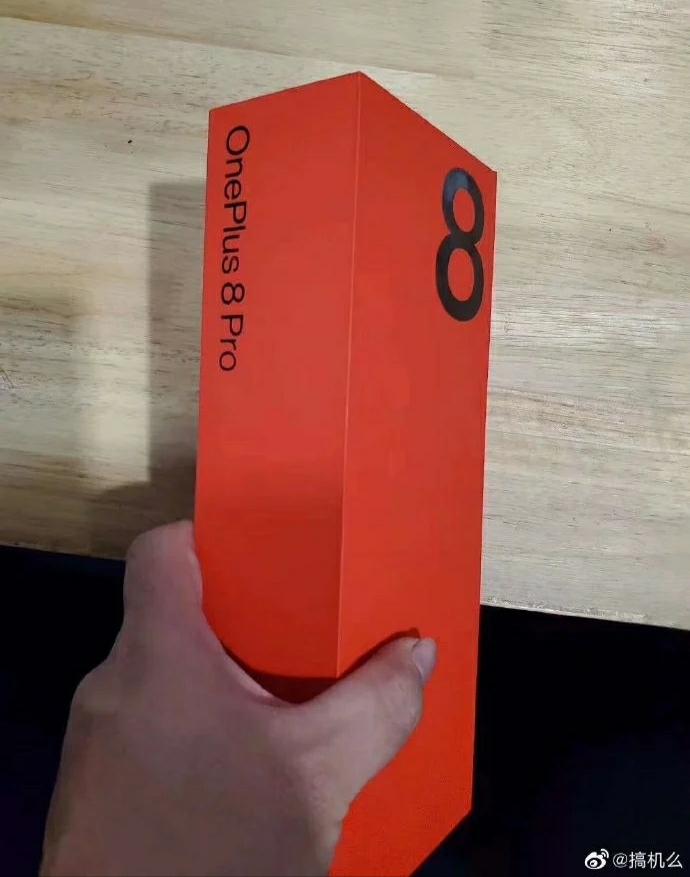
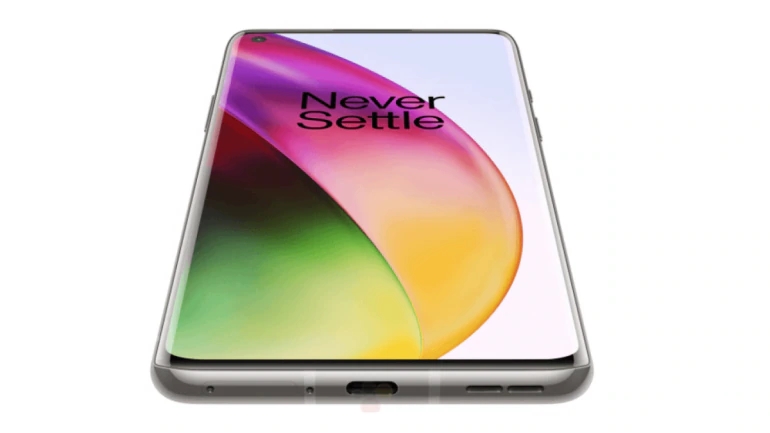
OnePlus will be launching its next smartphone, the OnePlus 8 and OnePlus 8 Pro on April 14.
HIGHLIGHTS
OnePlus 8 Pro will sport a 6.78-inch Super AMOLED display with support for a 120Hz refresh rate.
OnePlus 8 will come equipped with a 6.55-inch Super AMOLED display
OnePlus 8 Pro will feature a 48MP Sony IMX 689 primary sensor with an f/1.78 aperture.
When will One Plus 8 Launch ?
The launch event will be live-streamed through the OnePlus official website and YouTube. It will commence at 8:30 PM on April 14.
ONEPLUS 8 PRO SPECIFICATIONS
According to the tipster, OnePlus 8 Pro will sport a 6.78-inch Super AMOLED display with support for a 120Hz refresh rate. It will be powered by the Qualcomm Snapdragon 865 SoC. Further, the smartphone is likely to come with 8GB/12GB of LPDDR5 RAM and 128GB/256GB of UFS 3.0 internal storage.
As per previous leaks, OnePlus 8 Pro will feature a 48MP Sony IMX 689 primary sensor with an f/1.78 aperture + a 48MP Sony IMX ultra-wide-angle lens with an f/2.2 aperture and 120-degree field of view + an 8MP telephoto lens with 3x optical zoom and 30x digital zoom + a 5MP colour filter. The camera is said to pack new features like new night portrait mode, “3-HDR” video, cinematic effects and better OIS.
On the front will lie a 16MP selfie shooter. The smartphone will pack a 4510mAh battery with support for 30W fast charging. This time around OnePlus is likely to add 30W wireless fast charging support as well as 3W reverse wireless charging. The phone will be IP68 rated and come in blue, black and green colour options.
Regarding the launch, Pete Lau, Founder and CEO, OnePlus, said:
With the OnePlus 8 series, we’re excited to introduce our most powerful and beautiful smartphone series ever, combining blazing-fast 5G capabilities, specially engineered high refresh rate displays and OnePlus’ signature powerful performance setup. The OnePlus 8 series will bring a truly ‘burdenless’ experience to all our users, who have come to expect nothing but the best all-around flagship smartphones from us. No detail is too small for us, as OnePlus always strives to deliver the best user experience possible with our premium flagship devices.
ONEPLUS 8 SPECIFICATIONS
According to the latest development, OnePlus 8 will come equipped with a 6.55-inch Super AMOLED display. Interestingly, it is said to support a 90Hz refresh rate, instead of 120Hz on the OnePlus 8 Pro. Further, the phone will be powered by the Snapdragon 865 chipset. It will come with 8GB/12GB of LPDDR4X RAM and 128GB/256GB of UFS 3.0 internal storage.
As for the optics, it is said to sport a triple rear camera setup of 48MP + 16MP + 2MP with a 16MP selfie shooter. It is likely to pack a 4300mAh battery with support for 30W fast charging. Further, there’s no IP rating or wireless charging here. It will be made available in three colour options. The three colour variants are – Glacial Green, Onyx Black and Interstellar Glow gradient.
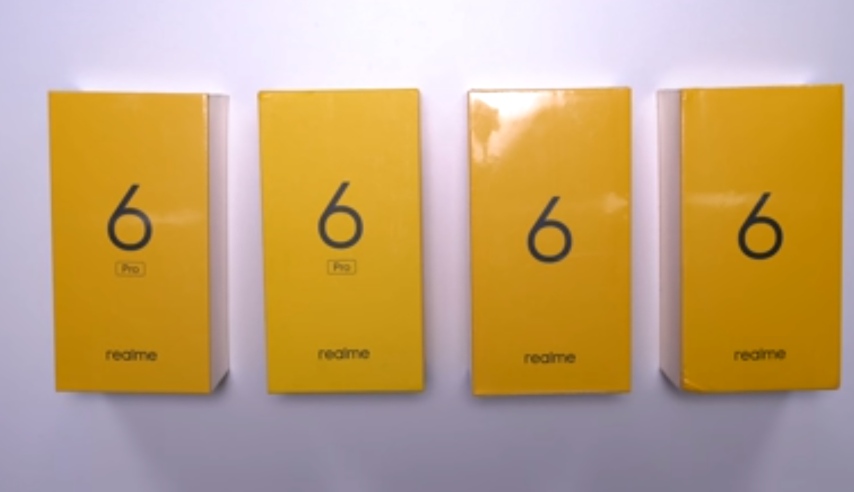



![Realme band with AMOLED screen launching in India on March 5 [Updated: New Colors, Cricket Mode, IP68 Rating]](https://techcrazie.tech.blog/wp-content/uploads/2020/04/5502c-realme-band-1024x629-1.jpg?w=1024)
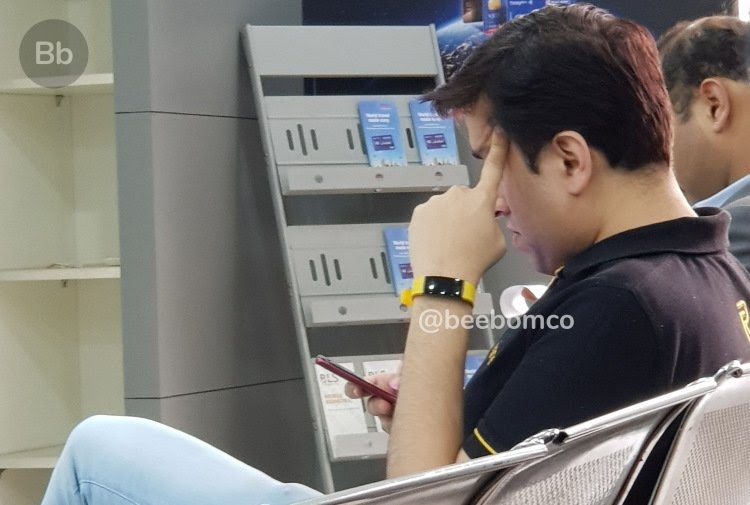





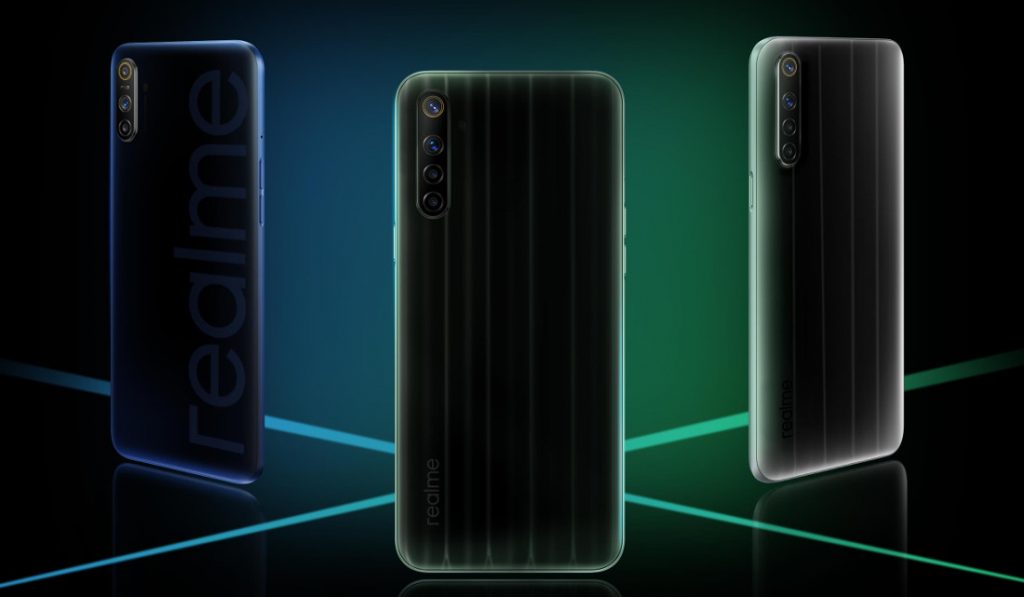






































![Realme 6i with Helio G80, 48MP quad rear cameras, 5000mAh battery to be announced – Know Price, Launch Date [Updated]](https://techcrazie.tech.blog/wp-content/uploads/2020/04/667e8-realme-6i-launch-date.jpg?w=960)
















![OnePlus expected to unveil a new concept device on March 3 [Updated]](https://techcrazie.tech.blog/wp-content/uploads/2020/04/87845-pzd11ryn.jpeg?w=800)



















































 Tech Crazie